East DallasBlog
The Hidden Lifesaver in Your Wheel Wells
Quick answer
Most drivers don’t realize that a simple, often-overlooked maintenance task could be the difference between a safe stop and a dangerous skid. Tire rotations play a pivotal role in both vehicle safety and tire longevity—two factors that directly impact every drive, whether you'...
Most drivers don’t realize that a simple, often-overlooked maintenance task could be the difference between a safe stop and a dangerous skid. Tire rotations play a pivotal role in both vehicle safety and tire longevity—two factors that directly impact every drive, whether you're navigating city streets in Dallas or cruising along rural roads outside Fort Worth. Due to varying weight distribution, steering forces, and braking dynamics, tires wear unevenly over time. Front tires typically bear the brunt of wear, especially in front-wheel-drive vehicles, leading to reduced traction and compromised handling. Rotating your tires every 6,000 to 8,000 miles helps distribute wear evenly across all four tires, maximizing tread life and maintaining balanced performance. This not only extends the lifespan of your set but also supports consistent grip on wet or uneven surfaces—critical during North Texas’s sudden storms or temperature swings. Even tread wear enhances braking response, improves fuel efficiency, and reduces the risk of blowouts caused by thin spots or weak sidewalls. Incorporating regular rotations into your maintenance routine ensures your tires work as a unified system, not as mismatched individuals. For drivers in Texas and similar climates, where heat and variable road conditions accelerate wear, this practice is even more essential. By staying proactive, you protect your investment, your vehicle’s performance, and most importantly, the safety of everyone in the cabin.
Mastering the Art of Tire Rotation: A Step-by-Step Guide
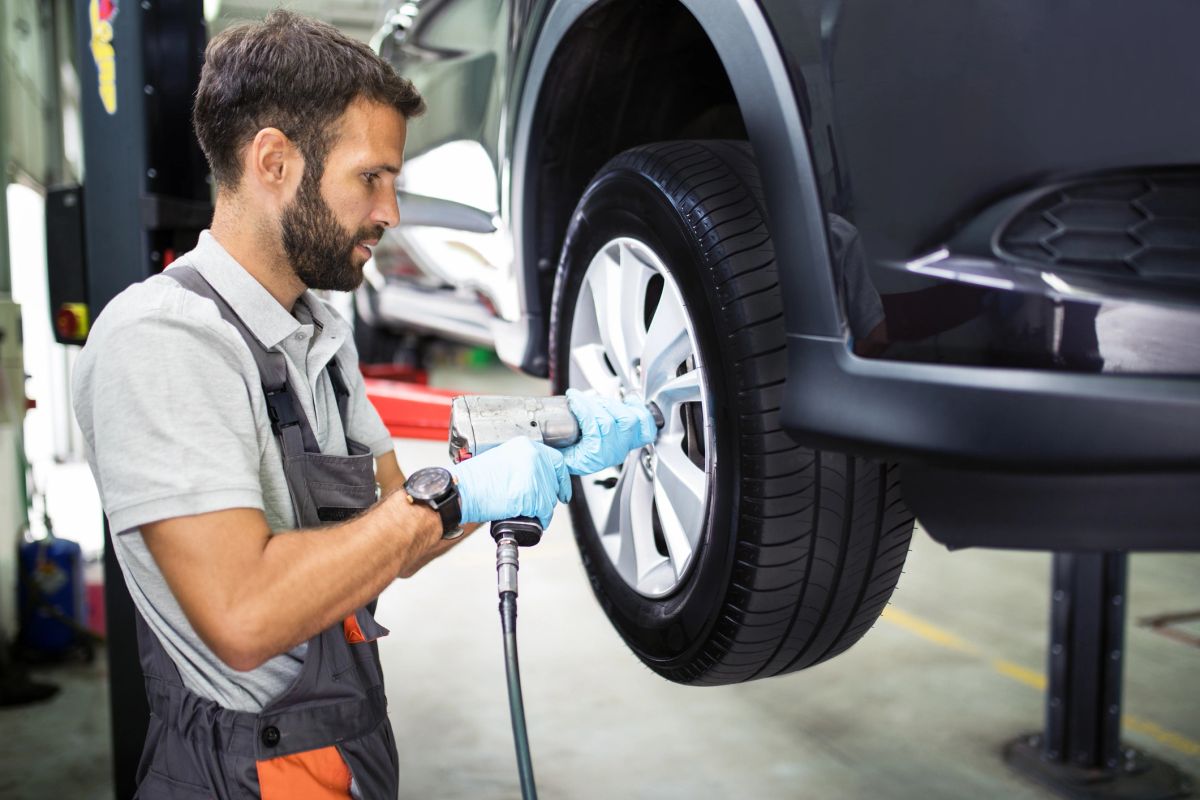
Tire rotation isn’t just routine maintenance—it’s a smart strategy to maximize tread life and ensure balanced handling. Since front tires bear the brunt of steering, braking, and acceleration, they wear faster than rear tires. Rotating them at the right intervals preserves performance and enhances safety, especially on rugged Texas roads from Dallas to Waxahachie. Step 1: Know When to Rotate Aim to rotate tires every 6,000 to 8,000 miles, or with each oil change if you drive regularly. SUVs and trucks with heavier front-end loads may benefit from rotating even sooner. Step 2: Choose the Right Rotation Pattern Your pattern depends on your vehicle and tire type: - Front-wheel drive: Move rear tires to the opposite front positions; front tires move straight back. - Rear-wheel or 4x4: Cross the front tires to the rear and move rear tires straight forward. - Directional tires: Rotate front-to-rear only, preserving tread direction. Step 3: Inspect During Rotation Check tread depth, look for uneven wear, and examine sidewalls for cracks or bulges. Uneven wear could signal alignment or inflation issues needing professional attention. Step 4: Recheck Pressure and Torque After mounting, ensure proper tire pressure and tighten lug nuts to manufacturer specs to avoid warping or looseness. Regular rotation saves money, improves fuel efficiency, and keeps your ride smooth on North Texas highways and beyond.
How Regular Tire Rotations Prevent Costly Wear and Boost Efficiency
Tire rotations aren’t just a routine checkmark—they’re a strategic move to extend tire life and keep your vehicle running efficiently. Most drivers don’t realize that front and rear tires wear at different rates due to steering forces, braking demands, and drive type (front-, rear-, or all-wheel drive). Without rotation, front tires often degrade faster, leading to uneven tread patterns that compromise handling and safety—especially on wet or uneven roads common in Texas. Rotating your tires every 6,000 to 8,000 miles helps distribute wear evenly across all four tires. This balanced wear maintains consistent traction, reduces vibration, and supports smoother braking. Equally important, properly rotated tires roll with less resistance, which reduces strain on your engine and improves fuel economy over time. Even a modest improvement in rolling resistance can translate into noticeable savings at the pump, particularly for drivers logging frequent highway miles between cities like Dallas, Fort Worth, or Waxahachie. To maximize benefits: - Stick to a consistent rotation schedule aligned with your vehicle’s use and terrain - Combine rotations with routine inspections for tread depth, cracking, or pressure imbalances - Note wear patterns—uneven wear may signal alignment or inflation issues needing attention Regular rotations support long-term performance, safety, and cost savings. By staying ahead of wear trends, you protect your investment and keep every mile safer and more efficient.
Your FAQs on Tire Rotation: What You Need to Know
How often should I rotate my tires? Most manufacturers recommend rotating tires every 6,000 to 8,000 miles, or with every other oil change. This interval helps counteract uneven wear patterns caused by front-wheel drive systems, braking forces, and steering demands—especially important for drivers navigating city streets in Dallas or logging long miles on North Texas highways. Does tire rotation really make a difference? Yes. Regular rotation promotes even tread wear across all four tires, preserving traction and extending tire life. Without it, front tires often wear faster, reducing performance in rainy conditions common during spring storms in Fort Worth and surrounding areas. What signs indicate I need a tire rotation soon? Look for uneven tread depth between front and rear tires, a rough or vibrating ride at highway speeds, or noticeably louder road noise. These can all signal uneven wear that rotation can help correct. How much does a tire rotation cost? Pricing varies, but routine rotations are typically affordable—often included in service packages or offered at minimal cost during scheduled maintenance visits. Some service centers in Texas offer complimentary rotations with tire purchases. Can I rotate my own tires at home? While possible, proper rotation involves more than swapping tires—it requires correct torque specs, re-learning TPMS systems, and identifying the right rotation pattern based on your vehicle’s drivetrain. Most drivers benefit from professional service to ensure safety and accuracy. Do all-wheel drive vehicles need rotations too? Absolutely. Even with power distributed to all wheels, AWD systems still experience differential wear over time. Maintaining a consistent rotation schedule is essential for preserving handling balance and avoiding premature tire replacement.
Maximize Safety and Savings with Smart Tire Care Habits
Regular tire rotations do more than just extend tread life—they’re a cornerstone of vehicle safety, performance, and cost efficiency. Over time, front tires bear the brunt of steering, braking, and acceleration forces, leading to uneven wear that can compromise handling and increase stopping distances. By rotating tires every 6,000 to 8,000 miles, drivers in Texas cities like Dallas, Fort Worth, and surrounding areas ensure even wear across all four tires, maintaining balanced traction on both wet and dry roads. This simple practice not only maximizes tire lifespan but also supports fuel efficiency by reducing rolling resistance caused by irregular tread patterns. Beyond rotations, professional inspections are essential for catching hidden issues like internal damage, imbalance, or alignment shifts—especially after encountering potholes or rough terrain common on North Texas roads. Certified technicians can identify early signs of wear, verify proper inflation, and assess overall tire health with tools beyond the reach of routine at-home checks. To stay ahead: - Stick to a consistent rotation schedule - Perform monthly pressure checks using a calibrated gauge - Inspect tread depth using the penny test - Schedule expert evaluations twice a year By combining DIY maintenance with professional oversight, drivers protect their investment, enhance ride quality, and most importantly, keep themselves and their passengers safe mile after mile. Take control of your tire health today—because safe driving starts with what’s between your vehicle and the road.
Related pages
Need tires tonight?
We are open until midnight.
504 S Carroll Ave, Dallas, TX 75223 · Open 7am to midnight, seven days a week · No appointment required