East DallasBlog
Feel the Vibration? It Might Be More Than Just a Bumpy Road
Quick answer
That subtle shake in your steering wheel at highway speeds isn’t something to ignore—it could be a clear sign your tires are out of balance. Tire balancing is a precision maintenance task that ensures weight is evenly distributed around each wheel and tire assembly, preventing...
That subtle shake in your steering wheel at highway speeds isn’t something to ignore—it could be a clear sign your tires are out of balance. Tire balancing is a precision maintenance task that ensures weight is evenly distributed around each wheel and tire assembly, preventing uneven wear and maintaining smooth performance. When tires aren’t properly balanced, certain spots on the tread bear more force than others, leading to premature wear, decreased fuel efficiency, and compromised handling—especially on long stretches of Texas highways or rough urban roads in cities like Dallas and Fort Worth. Over time, unbalanced tires can strain your suspension, create excessive road noise, and even affect braking performance. The good news? This is a preventable issue. Most manufacturers recommend having your tires balanced every 6,000 to 8,000 miles, often aligning with your tire rotation schedule. This routine check helps maintain consistent tread contact with the road, improves ride comfort, and supports vehicle stability in wet or windy conditions common across North Texas. Key signs you may need balancing include: - Steering wheel or seat vibration at certain speeds - Uneven or cupped tread wear patterns - Increased driver fatigue on longer drives Staying ahead of imbalance protects your investment, enhances safety, and keeps every drive as smooth and efficient as possible.
The Physics of Smooth Riding: How Tire Balancing Works
Ever felt your steering wheel vibrate at highway speeds or noticed uneven tread wear after just a few thousand miles? These are telltale signs of unbalanced tires—a common issue rooted in basic physics. Tires and wheels aren’t perfectly uniform in weight distribution. Even slight imbalances caused by manufacturing variances, road impacts, or missing wheel weights can lead to uneven force distribution while spinning. As tires rotate, any concentrated heavy spot creates centrifugal force that increases with speed. At 60 mph, an imbalance magnifies dramatically, causing vibrations felt in the steering wheel (typically front tires) or seat/floorboard (rear tires). This doesn’t just create discomfort—it accelerates wear on tread, suspension components, and wheel bearings, especially on rough Texas roads from Dallas to Mesquite. Balancing corrects this by strategically adding counterweights to the rim. Technicians mount each wheel on a balancer that spins it to detect where weight corrections are needed. Small clip-on or adhesive weights are then applied at precise locations to neutralize the imbalance. To maintain optimal performance: - Get tires balanced every 6,000 to 8,000 miles—coinciding with rotations - Always balance after a flat tire repair or new tire installation - Watch for early signs: vibration, uneven wear, or faster tread degradation Properly balanced tires ensure even tread contact, extend tire lifespan, improve fuel economy, and deliver a smoother, safer ride across North Texas and beyond.
5 Telltale Signs Your Tires Need Balancing (Don’t Ignore These!)
Uneven tire wear and poor ride quality often stem from more than just alignment issues—tire imbalance is a common culprit that affects handling, tread life, and driving comfort. Recognizing the early signs of imbalance helps prevent premature tire damage and ensures smoother, safer rides across varied road conditions, especially on Texas highways and city streets where potholes and rough patches are common. - Vibration in the Steering Wheel at Highway Speeds If you feel a persistent shake or pulsation in the steering wheel when driving above 55 mph, it’s a classic indicator of front tire imbalance. This vibration results from uneven weight distribution around the rim, causing the tire to wobble as it spins. - Seat or Floorboard Shaking When the rear tires are unbalanced, the vibration may not be in the steering wheel but instead felt through the seat or floorboard. This subtle but noticeable shake typically increases with speed and diminishes when slowing down. - Uneven or Cupped Tire Tread Wear Inspect your tires for scalloped or cupped dips along the tread surface. This irregular wear pattern is a direct result of tires bouncing on the road due to imbalance, reducing traction and increasing road noise. - Increased Driver Fatigue on Long Drives Constant vibration from unbalanced tires forces the driver to grip the wheel tighter, leading to arm and shoulder fatigue. Smoother rolling resistance from properly balanced tires enhances ride comfort on extended trips between cities like Dallas and Fort Worth. - Reduced Fuel Efficiency Imbalanced tires create added rolling resistance, making the engine work harder and decreasing fuel economy. Keeping tires balanced supports optimal performance and can help reduce fuel costs over time. Addressing imbalance early extends tire life, improves safety, and enhances driving comfort—especially important for Texas drivers facing extreme heat and rough road conditions.
What Happens During a Professional Tire Balancing Service?
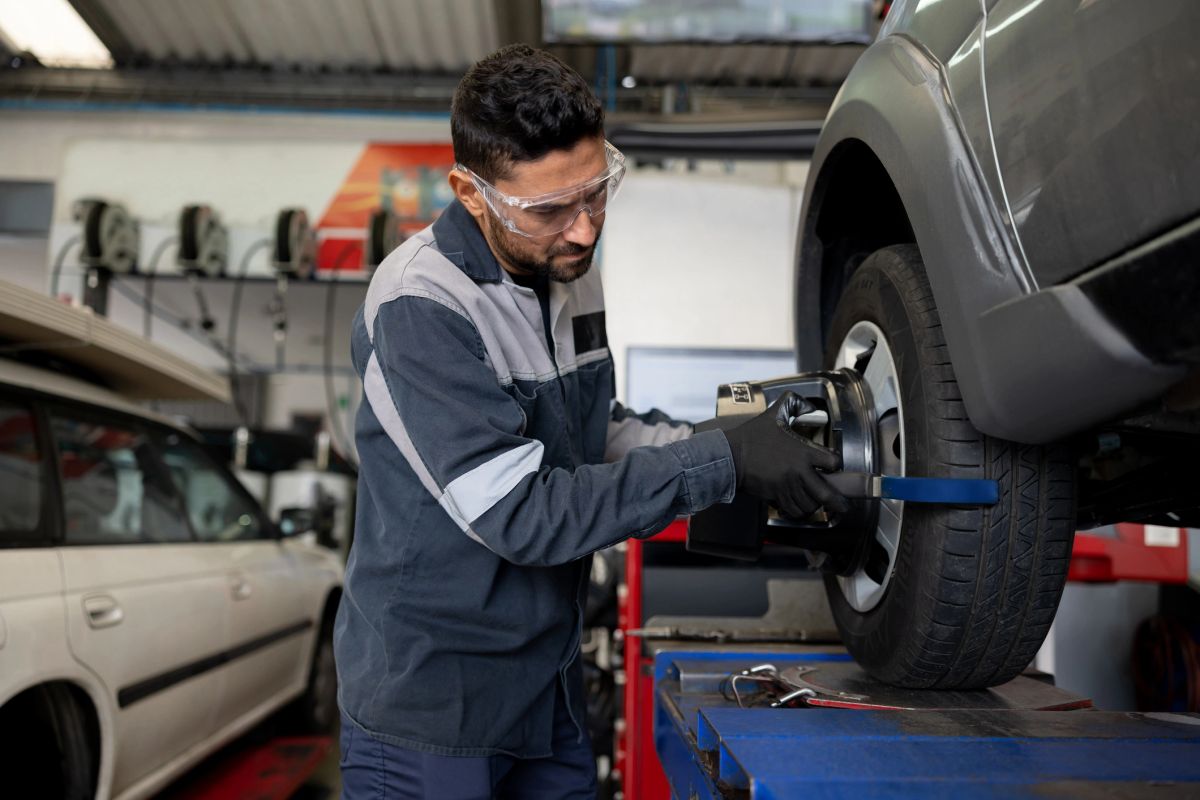
Tire balancing is a precise process that ensures smooth performance and extends tire life. When done correctly, it eliminates vibrations, improves ride comfort, and prevents premature tread wear—especially critical for drivers navigating the varied road conditions across Texas cities like Dallas, Fort Worth, and beyond. Here’s how professionals perform tire balancing: - Remove and Mount the Tire The technician removes each tire and mounts it onto a balancing machine. The machine spins the wheel to detect where weight imbalances occur. - Measure Imbalance As the wheel spins, sensors identify both the location and amount of imbalance. Results are displayed in ounces or grams and pinpoint whether the issue is at the center (static balance) or outer edges (dynamic balance). - Apply Counterweights Small lead or zinc weights are attached to the rim opposite the heavy spot. For most modern vehicles, clip-on or adhesive weights are used depending on rim type and size. - Recheck and Adjust The wheel is re-spun to verify balance. Adjustments are made until vibration levels fall within manufacturer specifications. - Reinstall with Proper Torque Once balanced, tires are reinstalled using a torque wrench to secure lug nuts evenly, preventing warping or loosening over time. Pro Tip: Combine balancing with routine rotations every 6,000 to 8,000 miles to maximize even wear and performance. Always have balancing checked if you notice steering wheel shimmy at highway speeds.
Unlock the Full Benefits of Balanced Tires
Proper tire balancing isn't just a maintenance checkbox—it's a critical step in ensuring your vehicle performs safely and efficiently every time you hit the road. When tires are out of balance, they cause uneven tread wear, leading to vibration, reduced traction, and even premature tire failure. Over time, this imbalance forces your engine to work harder, lowering fuel efficiency and increasing long-term costs. Regular balancing helps distribute weight evenly across the tire, promoting consistent contact with the road. This translates to a smoother ride, especially at higher speeds common on highways between Dallas, Fort Worth, and surrounding Texas cities. Balanced tires also minimize strain on suspension components, reducing the risk of costly repairs. For optimal performance: - Get tires balanced every 6,000 to 8,000 miles, or after any tire rotation - Schedule balancing when you notice steering wheel vibration at cruising speeds - Combine balancing with routine inspections for tread depth and pressure Balancing is especially important in regions with extreme temperature shifts and rough road conditions, where tires are more prone to wear and distortion. By addressing imbalances early, drivers maintain better control during sudden stops or wet weather—common challenges across North Texas. Investing in regular tire balancing extends tread life, enhances safety, and improves fuel economy. It’s a small step that delivers measurable returns in comfort, performance, and long-term value.
Your Top Tire Balancing Questions—Answered
How often should I get my tires balanced? Tire balancing is typically recommended every 6,000 to 8,000 miles, often aligning with your tire rotation schedule. Drivers in areas like Dallas, Fort Worth, and surrounding Texas regions may benefit from more frequent checks due to hot temperatures and rough road conditions that accelerate wear and imbalance. What are the signs my tires need balancing? Common indicators include steering wheel vibration at highway speeds, uneven tread wear, and increased road noise. If your vehicle shakes when driving between Waxahachie and Arlington, it’s likely time for a balance check. Does tire balancing affect fuel efficiency? Yes. Unbalanced tires create uneven rolling resistance, forcing your engine to work harder. Properly balanced tires reduce drag, helping maintain optimal fuel economy—especially important for frequent highway commuters. How much does tire balancing cost? Balancing is an affordable service, often included in routine maintenance packages. Prices vary across North Texas, but most providers offer competitive rates, with potential discounts when bundled with rotations or alignments. Can I balance my own tires? Balancing requires specialized equipment and training to accurately measure imbalance and apply corrective weights. It’s best handled by certified technicians who can ensure precision and safety. Is balancing necessary after installing new tires? Absolutely. Even brand-new tires have minor weight variations. Balancing at installation ensures smooth performance and prevents premature wear. How is tire balancing different from alignment? Balancing corrects weight imbalances in rotating tires, while alignment adjusts the angles of the wheels to manufacturer specs. Both are essential for even wear and optimal handling.
Don’t Let Uneven Wear Cost You More Than It Should
Tire balancing is a critical yet often overlooked part of vehicle maintenance that directly impacts ride quality, safety, and tire longevity. Over time, even the most durable tires can develop imbalances due to uneven weight distribution, road hazards, or everyday wear—especially on Texas roads where potholes and temperature swings are common. An unbalanced tire creates vibration at higher speeds, leading to premature tread wear, reduced fuel efficiency, and added stress on suspension components. The solution? Make balancing a standard step during tire rotations, typically every 6,000 to 8,000 miles. This simple pairing ensures tires not only rotate positions to even out tread wear but also remain dynamically balanced for a smoother, quieter ride. Drivers in Dallas, Fort Worth, and surrounding areas will notice the difference in handling, especially during sudden stops or wet-weather driving when consistent road contact is essential. You can take action today by: - Scheduling balancing with every tire rotation - Monitoring for signs like steering wheel vibration or uneven tread patterns - Pairing balancing with routine inspections for alignment and inflation By integrating tire balancing into your regular maintenance plan, you protect your investment, enhance safety, and maintain peak vehicle performance. Don’t wait for the shake to start—proactive care keeps every journey smooth, safe, and efficient. Ready to improve your ride? Check your maintenance schedule and prioritize balance with your next service.
Related pages
Need tires tonight?
We are open until midnight.
504 S Carroll Ave, Dallas, TX 75223 · Open 7am to midnight, seven days a week · No appointment required