East DallasBlog
The Silent Guardian of Your Drive: Why Tire Pressure Can’t Be Ignored
Quick answer
Every time you turn the key, your vehicle’s safety and performance hinge on a simple, often overlooked detail—tire pressure. Millions of drivers cruise highways and city streets unaware that underinflated tires can reduce braking efficiency, increase stopping distances, and ra...
Every time you turn the key, your vehicle’s safety and performance hinge on a simple, often overlooked detail—tire pressure. Millions of drivers cruise highways and city streets unaware that underinflated tires can reduce braking efficiency, increase stopping distances, and raise the risk of blowouts—especially in high-heat environments like Texas. Proper air pressure maintains the tire’s optimal contact patch with the road, ensuring stability, better handling, and improved fuel economy. Even a modest 10% drop in pressure can lead to uneven tread wear, shortening tire life and costing more in premature replacements. For drivers across North Texas, where pavement temperatures can soar past 150°F in summer, maintaining correct PSI is not just routine maintenance—it's a safety imperative. Fluctuations due to seasonal changes mean checking pressure at least once a month, ideally when tires are cold. Don’t rely on your eyes—tires can appear full while running dangerously low. Use a reliable gauge and compare to the manufacturer’s recommended level, typically listed on the driver’s door jamb. This guide will show you how proper inflation protects your investment, boosts gas mileage, and keeps you and your passengers safer on every journey—whether you're navigating Dallas traffic or hitting rural backroads. Stay tuned to learn how a 2-minute check can save you time, money, and potential danger.
The Hidden Danger of Low Tire Pressure: What It Means for Your Brakes and Grip
Underinflated tires aren’t just a minor maintenance oversight—they’re a serious safety risk that directly impacts your vehicle’s ability to stop quickly and maintain control, especially when roads are wet. When tire pressure drops below the manufacturer’s recommended level, the sidewalls flex more than designed, causing the tread to distort and reducing the tire’s effective contact patch with the road. This diminished footprint leads to longer stopping distances, sometimes by several car lengths at highway speeds. In rainy conditions, the risk escalates. Tires rely on properly shaped grooves to channel water away and prevent hydroplaning. Underinflated tires can’t evacuate water efficiently, increasing the chance of losing traction entirely. You may feel your vehicle slide or respond sluggishly to steering inputs during sudden maneuvers. This delayed reaction is especially dangerous in urban areas like Dallas or Fort Worth, where sudden stops and fast-moving traffic are common. To protect yourself and others: - Check tire pressure at least once a month using a reliable gauge - Always inspect when tires are cold—before driving or after the vehicle has been parked for three hours - Refer to your vehicle’s door jamb or owner’s manual for the correct PSI, not the maximum listed on the tire sidewall - Don’t forget the spare—many drivers overlook it until they need it Maintaining proper tire pressure ensures optimal braking performance, enhances wet-weather safety, and keeps your family protected mile after mile.
Save Money with Every Mile: How Proper Tire Pressure Boosts Fuel Efficiency
Maintaining correct tire pressure isn't just about safety—it's a proven way to improve fuel economy and reduce long-term driving costs. Underinflated tires increase rolling resistance, forcing your engine to work harder and burn more fuel. In fact, even a few pounds per square inch (PSI) below the recommended level can lead to measurable decreases in gas mileage, especially on longer commutes or frequent highway drives common across North Texas. Drivers who check and adjust their tire pressure monthly can see a noticeable difference at the pump. Properly inflated tires roll more smoothly, reducing drag and helping your vehicle maintain optimal efficiency in both urban stop-and-go traffic and high-heat highway conditions. Over time, these small savings add up, protecting your budget while also minimizing unnecessary emissions. To maximize results: - Check tire pressure at least once a month, preferably when tires are cold - Use the PSI value listed in your vehicle’s door jamb—not the number on the tire sidewall - Pay extra attention during seasonal shifts, as temperature fluctuations affect air pressure - Inspect all four tires, including the spare, for consistent inflation By making tire pressure maintenance a routine habit, you extend tire life, improve fuel economy, and keep your vehicle running efficiently year-round—especially critical during Texas summers when heat puts added stress on underinflated rubber.
Maximize Mileage: How Proper Inflation Prevents Premature Wear
Maintaining the correct tire pressure isn’t just about safety—it’s a direct factor in extending your tires’ usable life and avoiding costly, uneven tread wear. When tires operate below the manufacturer’s recommended PSI, the sidewalls flex excessively under load, generating internal heat that accelerates rubber breakdown. This underinflation causes the outer edges of the tread to wear down faster than the center, leading to a condition known as “shoulder wear”—a common issue for drivers in urban and suburban areas where tire checks are often overlooked. Conversely, overinflated tires create the opposite problem: the center of the tread bulges and bears the brunt of road contact, resulting in premature center wear and reduced traction. Both conditions compromise handling, increase stopping distances, and degrade fuel economy over time. To combat this, drivers should check tire pressure at least once a month using a reliable gauge, ideally when tires are cold—meaning the vehicle hasn’t been driven for several hours. Always refer to the PSI specification listed on the driver’s side door jamb or owner’s manual, not the maximum pressure stamped on the tire sidewall. Drivers in regions with fluctuating temperatures—such as North Texas—should be especially vigilant, as every 10°F change in ambient temperature can alter tire pressure by 1 PSI. Seasonal transitions are ideal opportunities to inspect and adjust inflation levels. Properly inflated tires maintain even tread contact with the road, ensuring balanced wear, optimal grip, and maximum mileage from each set.
Master Your Tires: A Step-by-Step Guide to Checking Pressure for Peak Performance
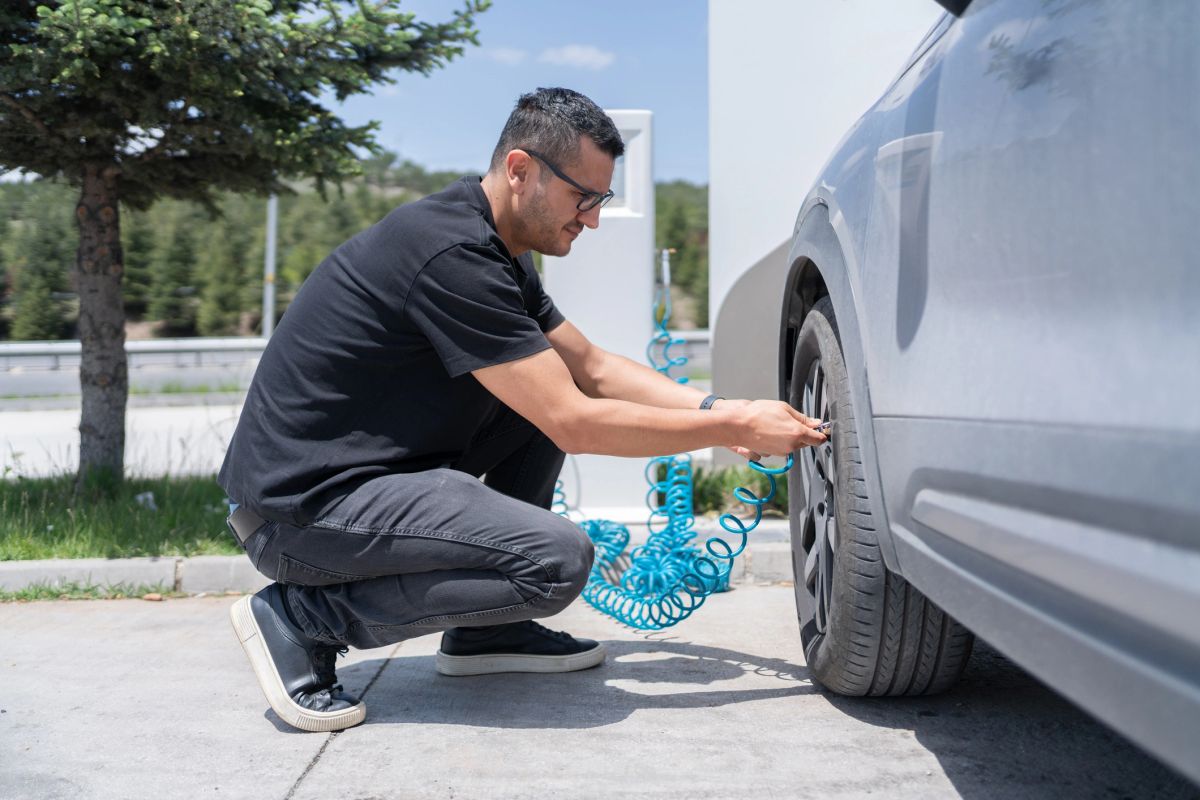
Proper tire pressure isn't just a suggestion—it's a critical part of vehicle safety and efficiency. Underinflated or overinflated tires can lead to reduced fuel economy, uneven tread wear, and even dangerous blowouts, especially under the high temperatures common in Texas summers. Checking your tire pressure regularly takes just minutes and can save you money and hassle down the road. Follow this simple routine to stay in control. - Check Tires When Cold Always measure pressure before driving or at least three hours after your last drive. Tires heat up while in use, increasing internal air pressure and giving false readings. - Find the Correct PSI Locate the manufacturer’s recommended pressure on the driver’s side door jamb or in your owner’s manual—not the number on the tire sidewall, which is the maximum, not optimal, pressure. - Use a Reliable Gauge Invest in a digital or dial tire gauge for accuracy. Stick gauges can work but are less precise. Test each tire, including the spare, by pressing the gauge firmly onto the valve stem. - Adjust as Needed If pressure is low, add air in short bursts and recheck. If overinflated, briefly press the valve core to release air, then re-measure. - Recheck Monthly and Before Long Trips Temperature swings—common in North Texas—can significantly affect pressure. Make checks part of your routine, especially during seasonal changes. Regular monitoring ensures better handling, longer tire life, and improved safety on highways and city streets alike.
Tire Pressure FAQs: Your Top Questions Answered
Why is the correct PSI so important for my tires? Maintaining the manufacturer-recommended PSI (pounds per square inch) ensures optimal contact between your tires and the road. Under-inflated tires increase rolling resistance, leading to poor fuel economy, uneven tread wear, and overheating—especially critical in hot climates like Texas. Over-inflated tires reduce traction and make for a harsher ride, increasing the risk of blowouts on rough roads common in urban and rural areas alike. Where do I find the right tire pressure for my vehicle? The proper PSI is typically listed on a sticker inside the driver’s side door jamb, inside the fuel door, or in your owner’s manual. Do not rely on the maximum pressure listed on the tire sidewall—this is the tire’s limit, not the recommended level for your specific vehicle. How often should I check my tire pressure? Check monthly and before long trips. Tires naturally lose about 1 PSI per month, and temperature changes can cause rapid fluctuations—especially during seasonal shifts in areas like Dallas and Fort Worth, where summer heat and winter cold swings are common. Does tire pressure change with the seasons? Yes. For every 10°F drop in temperature, tire pressure decreases by about 1–2 PSI. Cold fall and winter mornings often mean under-inflated tires, while summer heat can push pressures above safe levels. Adjust accordingly and check tires when cold for accurate readings. Should I inflate my tires to the same PSI year-round? The recommended PSI doesn’t change seasonally, but monitoring becomes more critical in extreme weather. In winter, colder roads and air reduce pressure; in summer, prolonged heat increases the risk of over-inflation. Consistent checks help maintain safety and performance in all conditions. Can wrong tire pressure affect my safety systems? Yes. Advanced systems like ABS, traction control, and stability control rely on balanced tire grip. Incorrect pressure alters how tires respond, potentially reducing the effectiveness of these critical safety features during sudden stops or slippery conditions. What’s the best way to check tire pressure at home? Use a digital or dial gauge (not just the pump at gas stations) when tires are cold—meaning the vehicle hasn’t been driven for at least three hours. Check all four tires, including the spare if applicable, and adjust to the vehicle-specific recommendation.
Make Every Mile Safer: The Power of Proactive Tire Maintenance
Your tires are the only point of contact between your vehicle and the road, making proper tire pressure one of the most critical yet often overlooked aspects of vehicle care. Underinflated tires increase rolling resistance, leading to reduced fuel efficiency, uneven tread wear, and longer stopping distances—especially dangerous during sudden braking or wet conditions. Overinflated tires, on the other hand, reduce traction and make the ride harsher, increasing the risk of blowouts in extreme heat, a common concern across Texas summers. Maintaining the manufacturer-recommended PSI ensures optimal contact with the pavement, improving handling, stability, and overall safety for every trip, whether you're commuting through Dallas traffic or traveling rural roads. To stay ahead, check your tire pressure at least once a month using a reliable gauge, ideally when tires are cold. Don’t forget the spare—many drivers overlook it until it’s too late. Use routine maintenance appointments, like oil changes, as a reminder for quick visual inspections. Look for signs of uneven wear, cracking, or bulges that could signal internal damage. Rotate tires every 6,000 to 8,000 miles to extend tread life and maintain balanced performance. By making tire pressure checks and maintenance a regular habit, you protect your investment, maximize fuel economy, and keep yourself and your passengers safer on every journey. Your next best step? Grab a tire gauge today and take two minutes to check your PSI—you’ll drive with more confidence knowing your tires are ready.
Related pages
Need tires tonight?
We are open until midnight.
504 S Carroll Ave, Dallas, TX 75223 · Open 7am to midnight, seven days a week · No appointment required