East DallasBlog
The Smart Fix: Why Patching Keeps You Rolling After a Flat
Quick answer
A flat tire doesn’t have to mean a full replacement—especially when a reliable patch can restore it safely and affordably. In regions like Dallas, where blistering pavement and sharp debris on highways increase puncture risks, knowing your repair options is essential.
A flat tire doesn’t have to mean a full replacement—especially when a reliable patch can restore it safely and affordably. In regions like Dallas, where blistering pavement and sharp debris on highways increase puncture risks, knowing your repair options is essential. Patching has emerged as the go-to solution for many drivers thanks to its durability, cost efficiency, and proven success in restoring tire integrity. Unlike temporary fixes, a properly applied patch seals the inner liner of the tire from the inside, addressing the root cause of most flats caused by nails, screws, or road hazards. This method works best on punctures in the tread area—up to ¼ inch in diameter—and when the sidewall remains undamaged. Technicians use precision tools to clean the wound, apply a rubber patch bonded with adhesive, and ensure an airtight seal that meets industry safety standards. Patched tires can handle heavy loads, high speeds, and extreme North Texas temperatures without compromise. You’ll learn what makes patching more effective than plugging alone, how modern techniques ensure long-term performance, and when a tire is still safe to repair. Stay informed, save money, and keep your vehicle road-ready with the smarter flat repair strategy.
Master the Art of Flat Tire Patching: A Step-by-Step Repair Guide
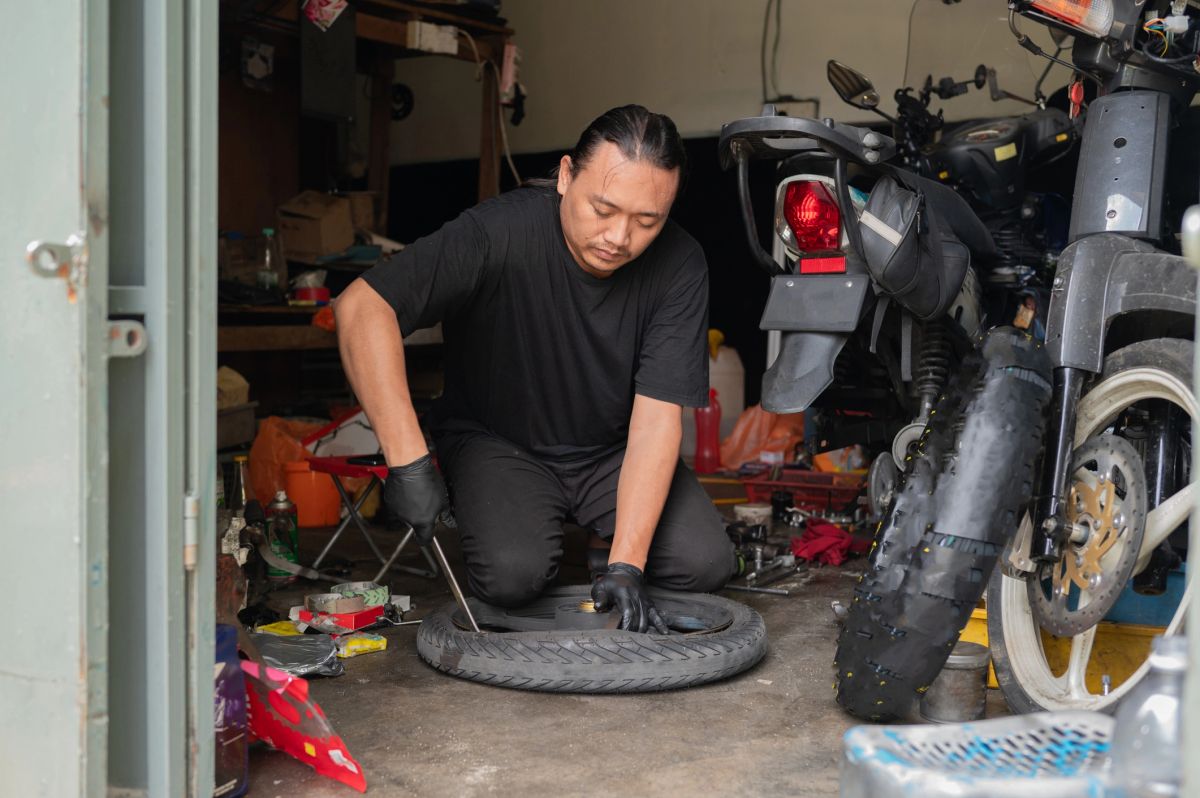
When a flat strikes on Dallas roads, knowing how to properly patch a tire can save time, money, and keep you moving safely. Unlike temporary fixes, a well-executed patch provides a durable, airtight seal that restores performance—especially important when driving on hot North Texas pavement or wet highways during sudden storms. Here’s how the professional patching process works. - Remove and Inspect the Tire Take the wheel off and fully deflate it. Carefully inspect the tread for nails, screws, or punctures. Only punctures in the center of the tread (not the sidewall) are eligible for patching. - Locate and Clean the Damage Mark the puncture site, then use a reamer to clean and slightly widen the hole. This ensures the patch bonds securely to the inner lining. - Buff and Prepare the Inner Liner On the inside of the tire, sand the area around the puncture to create a rough surface. This maximizes adhesion for the vulcanizing cement. - Apply Vulcanizing Cement Spread a thin, even layer of rubber cement over the sanded area. Let it dry to a tacky finish—this activates the bonding process. - Insert the Patch Plug Combo Thread a rubber plug through a patched tool, push it through the hole from the inside, and pull it snug. The patch adheres to the inner wall while the plug seals the puncture. - Trim and Finalize Once set, trim the excess plug material flush with the inner liner. Re-inflate, check for leaks, and remount the tire. Always have a technician verify the repair, especially after hitting a pothole on Dallas-area roads. A proper patch extends tire life and maintains safe performance through the region’s extreme temperature swings.
Built to Last: The Strength and Safety Behind Properly Applied Patches
When it comes to flat tire repairs, not all fixes are created equal—and patches, when professionally applied, stand out for their long-term durability and critical safety performance. Unlike temporary plug-only solutions, a proper patch combines an internal liner with a vulcanized seal, creating a repair that restores the tire’s original structural integrity. This process, known as a patch-and-plug fusion, ensures the inner lining is sealed from air loss while reinforcing the puncture site against further damage. In regions like Dallas, where pavement temperatures regularly soar above 140°F during summer, tire integrity is constantly tested by heat buildup. A well-executed patch resists internal air pressure stress and prevents weak spots from expanding, reducing the risk of blowouts on busy roads like I-30 or I-635. Additionally, properly repaired tires maintain their ability to handle sudden rainstorms, minimizing hydroplaning risks thanks to sustained tread stability. Key benefits of a correctly applied patch include: - Extended tread life by preventing slow leaks and uneven wear - Restored sidewall strength, especially important after curb impacts or pothole damage - TPMS compatibility, allowing pressure monitoring systems to function without false alerts For drivers, this means fewer roadside emergencies, better fuel efficiency, and longer intervals between replacements. However, successful patching depends on precise diagnostics—location, size, and damage type all determine repair viability. Always have repairs conducted by trained technicians who follow industry standards for rubber preparation, buffing depth, and curing time.
Patches vs. Plugs vs. Sealants: Which Flat Repair Really Lasts?
When a nail or screw breaches your tire, choosing the right repair method can mean the difference between a lasting fix and recurring issues. Understanding how patches, plugs, and sealants differ in approach, durability, and application helps drivers in Dallas and surrounding areas make informed decisions—especially when facing hot pavement, sudden storms, and rough road conditions. Patches are widely regarded as the most reliable solution for most punctures. Applied to the innerliner of a dismounted tire, they seal the hole from the inside and bond directly to the rubber, preventing air loss and moisture intrusion. This method requires professional equipment and is ideal for tread-area punctures up to ¼ inch in diameter. Plugs, on the other hand, are inserted from the outside through the wound, using a rubber strip to fill the hole. While faster and less labor-intensive, they don’t address the internal lining and can leave the tire vulnerable to slow leaks or internal corrosion over time—especially under Dallas’s extreme temperature swings. Sealants (often liquid injected through the valve stem) offer a temporary fix. They may seal small pinholes while driving but aren’t recommended for nails, sidewall damage, or high-speed vehicles. They can also interfere with TPMS sensors and are not considered a permanent repair. For long-term safety and performance: - Choose patches for durable, professional-grade repairs - Avoid sealants for anything beyond emergency use - Only consider plugs if followed by a proper internal inspection Always have repairs performed by certified technicians who can assess structural integrity and ensure proper curing.
Tire Patching FAQs: What Dallas Drivers Need to Know
Can a tire really be repaired safely with a patch? Yes—when done correctly, a patch repair is both safe and durable. The best method involves a internal patch-and-plug combo, where the puncture is sealed from the inside with a rubber patch and filled with a stem to block the hole. This approach maintains structural integrity and air pressure, making it ideal for tires with punctures in the tread area up to ¼ inch in diameter. Is plugging a tire as good as patching? Plugs alone are a temporary fix. While they fill the hole, they don’t properly seal the inner lining of the tire, which can lead to slow leaks or moisture buildup inside, causing rust on the steel belts. For a lasting repair, always choose a professional patch-and-plug solution. Can all flat tires be patched? No—repairs are only safe for small punctures in the tread. Punctures in the shoulder or sidewall, large gashes, or tires with tread depth below 2/32” cannot be safely patched due to structural risks. How long will a patched tire last? A properly repaired tire can last thousands of miles—often for the remainder of its tread life. Many reputable repair centers stand behind their work with guarantees. Do I need to remove the tire to patch it? Yes. The tire must be dismounted from the wheel to inspect the inside, identify hidden damage, and apply the patch correctly. Roadside “plug-only” fixes without removal are not recommended. Will patching affect my tire’s balance? When done right, patching has minimal impact on balance. The added weight of the repair is negligible, but a technician should always recheck balance after mounting. Are patched tires safe for highway driving? Absolutely—if repaired professionally. Drivers in North Texas routinely rely on properly patched tires for daily commutes and long trips.
Why Patches Outlast and Outperform Other Flat Repair Methods
When it comes to flat tire repairs, patches stand head and shoulders above alternatives like tire plugs or temporary sealants—especially under the demanding conditions faced by drivers in North Texas. Unlike surface-level fixes, a properly applied patch seals the inner lining of the tire from the inside out, creating a durable, airtight bond that resists heat buildup and pressure fluctuations common on Dallas highways. This method preserves the tire’s structural integrity, reducing the risk of recurring leaks or sudden failure during high-speed driving. Patches work best when combined with professional bead cleaning and vulcanization, ensuring the repair lasts as long as the tire itself. They’re ideal for punctures in the tread area up to ¼ inch in diameter, which covers most roadside nail or screw encounters. While plugs can expand and contract over time—leading to slow leaks—patches maintain consistent performance through Dallas’s extreme summer heat and unpredictable winter cooldowns. For drivers prioritizing safety and long-term value, a patch repair helps avoid premature tire replacement and unnecessary expense. If you've recently had a flat repaired with a plug or temporary fix, consider having it inspected by a certified technician to assess whether a permanent patch would be a smarter, safer upgrade. When maintenance matters, trust proven methods that keep you rolling confidently across any terrain.
Related pages
Need tires tonight?
We are open until midnight.
504 S Carroll Ave, Dallas, TX 75223 · Open 7am to midnight, seven days a week · No appointment required