East DallasBlog
The Silent Guardian of Your Ride: How Tire Pressure Monitoring Keeps You Safe
Quick answer
Did you know a simple drop in tire pressure can silently compromise your vehicle’s safety before you even leave the driveway? Enter the tire pressure monitor system (TPMS)—a built-in safety feature that acts as an early warning system for underinflated tires.
Did you know a simple drop in tire pressure can silently compromise your vehicle’s safety before you even leave the driveway? Enter the tire pressure monitor system (TPMS)—a built-in safety feature that acts as an early warning system for underinflated tires. Since becoming standard in all vehicles manufactured after 2007, TPMS has played a crucial role in reducing blowouts, improving fuel efficiency, and enhancing overall road safety. These smart sensors, located inside each wheel, continuously track air pressure and temperature, alerting drivers the moment a tire falls 25% below the recommended level. For everyday drivers—especially those navigating long commutes, highways, or variable North Texas weather—TPMS provides peace of mind by catching issues early. Sudden temperature swings, common in regions with extreme seasonal shifts, can cause pressure drops overnight, increasing the risk of uneven wear or loss of control. A TPMS warning light doesn’t just signal low air—it’s a call to action to prevent bigger problems. In this guide, you’ll learn how TPMS works, the difference between direct and indirect systems, how to respond when the warning light appears, and why regular tire checks still matter—even with advanced sensors watching your back. Stay informed, stay safe, and make every mile count.
How TPMS Sensors Keep You Safe: The Science Behind Tire Pressure Monitoring
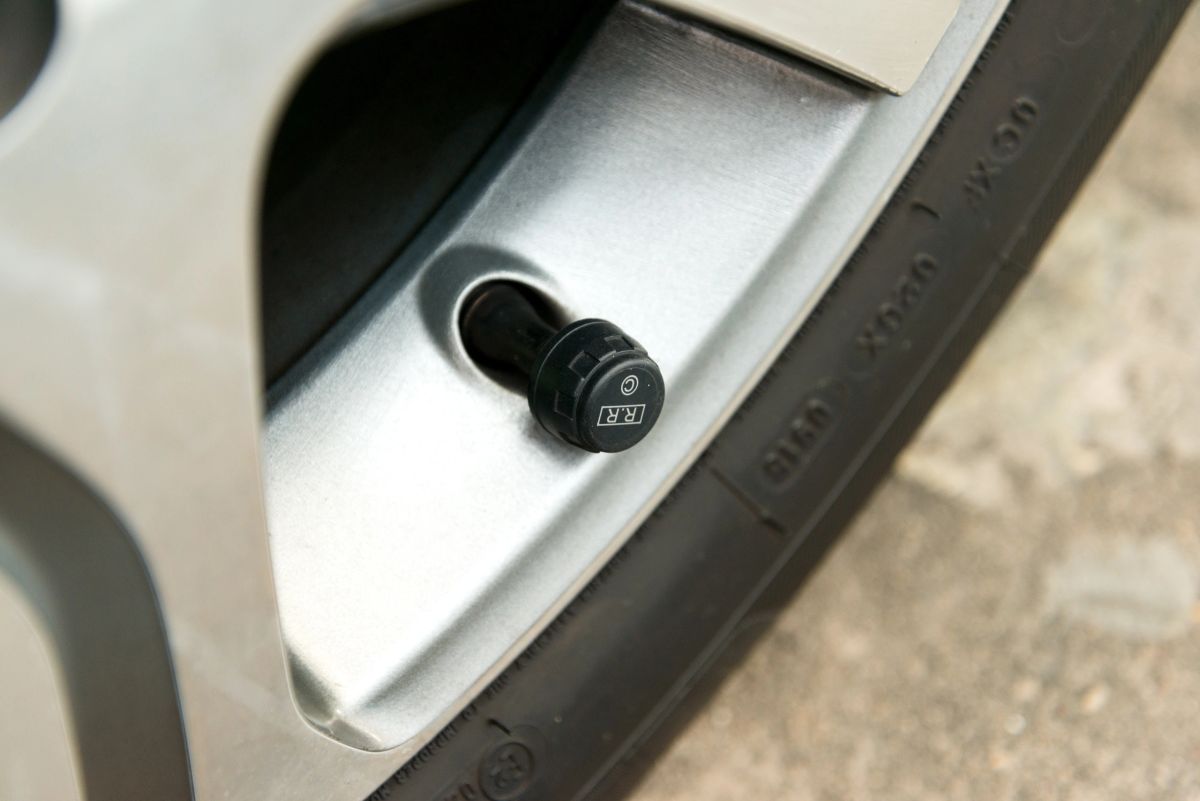
Modern vehicles rely on advanced systems to alert drivers when tire pressure drops—a feature made possible by Tire Pressure Monitor Sensors (TPMS). These small but critical devices fall into two main types: direct and indirect. Direct TPMS uses physical sensors located inside each wheel that measure real-time air pressure and temperature, transmitting data wirelessly to your vehicle’s dashboard. When pressure falls more than 25% below the recommended level, a warning light illuminates, giving you an immediate heads-up. Indirect TPMS, on the other hand, doesn’t use dedicated pressure sensors. Instead, it leverages your vehicle’s existing Anti-lock Braking System (ABS) wheel speed sensors to detect differences in rotational speed. Underinflated tires have a slightly smaller diameter, causing them to spin faster than properly inflated ones. The system interprets this variance as a pressure issue. While cost-effective, indirect systems are less precise and may require manual reinitialization after tire rotations or pressure adjustments. For drivers in areas with extreme temperature swings—like North Texas—direct TPMS offers greater reliability, especially during seasonal transitions when cold mornings or hot pavement can rapidly affect tire pressure. Both systems enhance safety, improve fuel efficiency, and extend tire life by catching issues early. Regular maintenance and understanding your system type ensure accurate readings and peace of mind on every journey.
5 Key Benefits of Maintaining Proper Tire Pressure Through Sensor Alerts
Modern vehicles equipped with Tire Pressure Monitoring Systems (TPMS) do more than just flash a warning light—they actively protect your safety, wallet, and vehicle performance. These smart sensors continuously monitor air pressure in real time, alerting you at the first sign of underinflation. For drivers across North Texas and similar climates with extreme temperature swings, these alerts are essential for staying ahead of common tire issues. Here’s how responding to sensor warnings delivers tangible advantages: - Enhanced Safety on Hot Texas Roads Sudden tire failure is a leading cause of highway accidents, especially during summer when pavement temperatures exceed 150°F. TPMS alerts catch pressure drops early, reducing the risk of blowouts due to overheating and excessive sidewall flexing. Staying ahead of these changes keeps you in control, whether you're driving through Dallas rush hour or long rural stretches. - Optimized Fuel Efficiency Underinflated tires increase rolling resistance, forcing your engine to consume more fuel. A TPMS alert allows immediate correction, helping maintain peak fuel economy. Over time, this small adjustment can save significant money at the pump—especially valuable during high-mileage seasonal travel. - Extended Tire Lifespan Low pressure causes uneven tread wear, particularly along the shoulders. Regularly addressing TPMS warnings ensures even contact with the road, preventing premature tire degradation. This means longer tread life and fewer replacements over time. - Improved Vehicle Handling and Stability Correctly inflated tires ensure optimal grip and responsiveness. When sensors detect issues early, drivers can restore balance before handling, braking, or cornering is compromised, especially in wet conditions where hydroplaning risks rise. - Support for Advanced Safety Systems Modern features like traction control, ABS, and electronic stability programs rely on consistent tire performance. Proper inflation validated by sensor alerts ensures these systems operate as intended during emergency maneuvers or slippery conditions.
What to Do When Your TPMS Light Turns On: A Step-by-Step Response Guide
A glowing TPMS (Tire Pressure Monitoring System) light is more than just a dashboard annoyance—it’s an early warning system designed to protect your safety, fuel economy, and tire longevity. When the indicator illuminates, follow these critical steps to address the issue promptly and correctly. - Stay Calm and Assess Driving Conditions If the light comes on while driving, don’t panic. Check your handling—if the vehicle pulls to one side or feels unstable, reduce speed and pull over safely. Avoid sudden maneuvers, especially at high speeds. - Find a Safe Spot to Inspect Tires Pull into a gas station, parking lot, or roadside shoulder. Use this opportunity to visually examine each tire for obvious damage, punctures, or signs of deflation. - Check All Tires with a Quality Gauge Don’t rely solely on the TPMS—use a trusted tire pressure gauge to manually measure PSI in each tire, including the spare. Cold tires provide the most accurate reading. Compare pressures to the manufacturer’s recommendation, typically found on the driver’s door jamb. - Adjust Pressure as Needed If a tire is low, refill it in short bursts, rechecking frequently. Overinflated? Release small amounts through the valve stem until optimal PSI is reached. - Recheck and Reset (If Applicable) After adjustments, verify all tires meet specifications. Some vehicles require a TPMS reset via the dashboard menu—consult your owner’s manual if the light remains on after correction. Regular monitoring not only resolves immediate warnings but also prevents long-term damage, especially crucial in high-heat areas like Texas where pressure fluctuations are common.
Tire Pressure Monitor Sensors: Your Top Questions Answered
What exactly does a TPMS sensor do? A Tire Pressure Monitoring System (TPMS) sensor tracks the air pressure inside your vehicle’s tires and sends real-time data to the dashboard. If pressure drops more than 25% below the recommended level, a warning light illuminates—usually a yellow symbol of a tire with an exclamation point. This early alert helps prevent unsafe driving conditions, reduce tire damage, and maintain fuel efficiency, especially important during Texas’s extreme temperature swings. Why is my TPMS light on even after I filled my tires? Even with proper inflation, the TPMS light may stay on if the system hasn’t reset. After adjusting pressure, drive at 50+ mph for 10+ minutes to allow sensors to recalibrate. If the light persists, there could be a faulty sensor, low battery within the sensor, or a need to relearn the system—common after tire rotations or replacements. Can temperature changes affect TPMS readings? Absolutely. Air contracts in cold weather and expands in heat. In North Texas, a 30-degree shift between night and day can alter tire pressure by several PSI, triggering false alerts. Always check pressure when tires are cold and reset the system if needed after seasonal changes. Do TPMS sensors need maintenance or replacement? Yes. Most sensors last 5–10 years. The internal battery can’t be replaced, so when a sensor fails, it must be replaced. Regular tire service should include a TPMS diagnostic check—especially when installing new tires or after a flat repair. What happens if I ignore the TPMS warning? Driving with underinflated tires increases the risk of blowouts, reduces braking efficiency, and accelerates tread wear. It can also compromise handling and reduce the effectiveness of stability control and ABS systems. Can I replace a TPMS sensor myself? While possible, proper replacement requires specialized tools to program and register the new sensor to your vehicle’s ECU. Incorrect installation can lead to false readings or system failure—best left to trained technicians with the correct scan tools. Is the TPMS warning the same for all vehicles? Most vehicles use a standardized warning light, but some display exact PSI levels through the infotainment system. Consult your owner’s manual to understand your specific system’s alerts and reset procedures.
Trust Your Ride: How TPMS Keeps You Safe and Saving
Tire Pressure Monitoring Systems (TPMS) play a vital role in modern vehicle safety and performance. These smart sensors continuously track air pressure in your tires and alert you the moment a drop exceeds recommended levels—often before you can visually detect an issue. For drivers in North Texas and similar climates, where extreme heat and fluctuating temperatures strain rubber, TPMS provides real-time peace of mind. Low pressure not only increases the risk of blowouts on hot highways but also degrades fuel economy, shortens tire lifespan, and compromises braking ability, especially in wet conditions. Beyond safety, TPMS empowers proactive maintenance. By catching pressure issues early, drivers avoid uneven tread wear, maintain optimal traction, and keep fuel costs under control. The system works silently in the background, but its impact is significant—especially during seasonal shifts when temperature swings of just 10°F can alter pressure by 1–2 PSI. To make the most of TPMS: - Never ignore a dashboard warning light—check all tires immediately - Pair sensor alerts with monthly manual checks using a quality tire pressure gauge - Remember that TPMS sensors may need replacement over time, especially during tire changes or rotations - Use TPMS data to stay consistent with manufacturer-recommended PSI Stay ahead of problems by treating your TPMS as a trusted co-pilot. For optimal performance, schedule a tire inspection today and ensure your sensors—and tires—are ready for every mile ahead.
Related pages
Need tires tonight?
We are open until midnight.
504 S Carroll Ave, Dallas, TX 75223 · Open 7am to midnight, seven days a week · No appointment required