East DallasBlog
Why Your Tires Hold the Key to Safer Roads
Quick answer
Every mile you drive starts with four points of contact—your tires. These critical components do more than just roll; they grip, steer, and stop your vehicle, especially in wet, icy, or uneven road conditions common across Texas cities like Dallas, Fort Worth, and beyond.
Every mile you drive starts with four points of contact—your tires. These critical components do more than just roll; they grip, steer, and stop your vehicle, especially in wet, icy, or uneven road conditions common across Texas cities like Dallas, Fort Worth, and beyond. Yet, tire maintenance is often overlooked—until a blowout, flat, or poor traction turns a routine drive into a hazard. Proper tire care isn’t just about longevity—it’s a cornerstone of vehicle safety, fuel efficiency, and optimal performance. Drivers who neglect routine tire checks risk uneven wear, reduced braking response, and even loss of control in emergency situations. Fortunately, most tire-related issues are preventable with regular inspection and maintenance. In this post, you’ll learn essential tire care practices, from monitoring tread depth and air pressure to seasonal tire changes and identifying early signs of damage. You’ll discover practical, actionable steps to extend tire life, enhance handling, and protect yourself and your passengers. Whether you're commuting through city streets or taking long weekend trips on Texas highways, staying proactive about your tires keeps you safer and more confident behind the wheel. Let’s dive into the first critical step: understanding how tire pressure impacts your daily drive.
5 Must-Know Tire Care Practices for Safer Roads in Texas
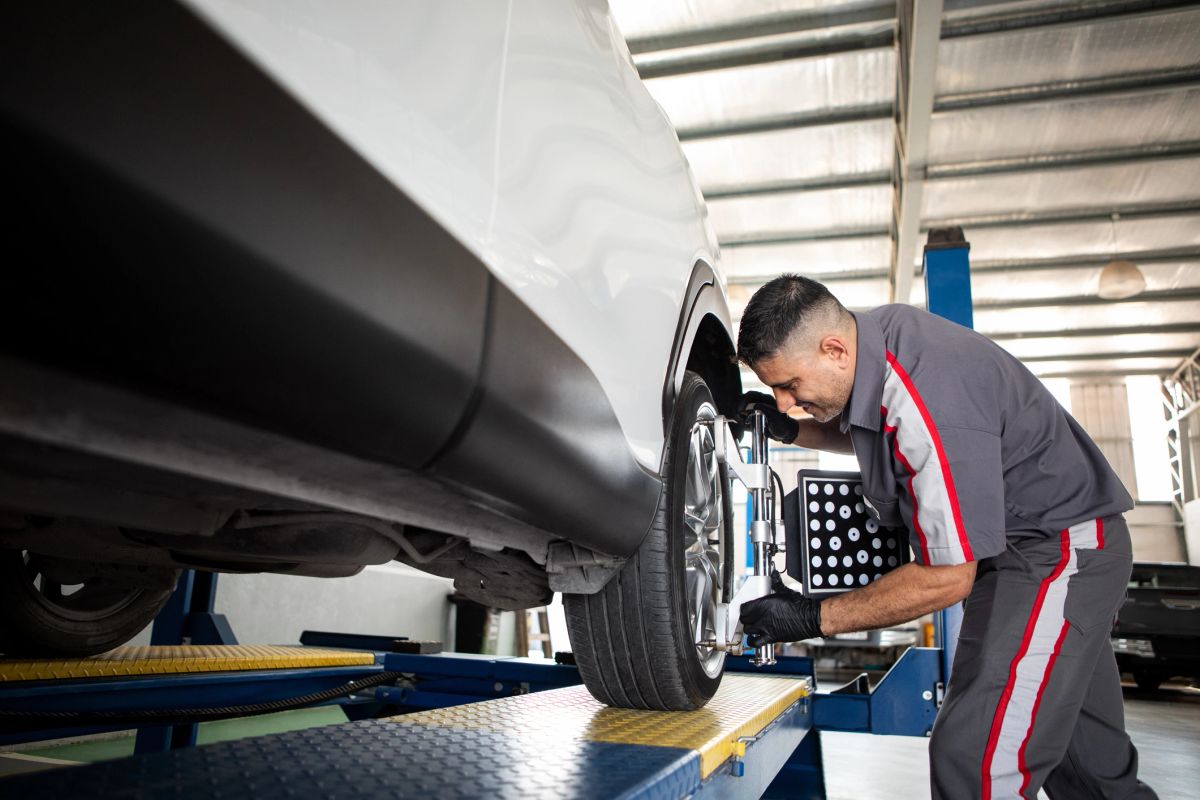
Every driver shares the road, but not every driver takes tire maintenance seriously. Proper tire care isn’t just about extending tread life—it’s a critical safety measure that affects handling, fuel efficiency, and braking performance. Whether you're commuting in Dallas, cruising rural County Roads, or navigating weekend traffic near Waxahachie, these five essential practices should be part of your routine. - Maintain Correct Tire Pressure Underinflated tires generate excess heat, wear unevenly, and increase the risk of blowouts. Check your PSI at least once a month, especially before long trips or during Texas’ rapid temperature shifts between seasons. Use your vehicle’s recommended pressure (usually listed on the driver’s side door jamb), not the max pressure on the tire sidewall. - Rotate Tires Every 6,000 to 8,000 Miles Regular rotation ensures even tread wear across all positions—front to rear, side to side. Since front tires typically wear faster due to steering and braking forces, rotating them helps balance wear patterns and extends overall tire life. - Inspect Tread Depth Monthly Use the “penny test”: insert a penny into the tread with Lincoln’s head upside down. If you can see the top of his head, your tread is below 2/32 of an inch and needs replacement. Low tread reduces wet-surface traction, increasing hydroplaning risks common during North Texas storms. - Align Wheels After Bumping Curbs or Hitting Potholes Misaligned wheels cause pulling to one side and premature tire wear. If your steering wheel vibrates or your vehicle drifts, get a professional alignment—especially after encountering rugged roads common in suburban or rural areas. - Balance Tires During Rotation or When You Feel Vibration Unbalanced tires create uncomfortable steering wheel shake, especially at highway speeds. Balancing redistributes weight around the wheel-tire assembly, delivering smoother rides and reducing stress on suspension components.
How Seasonal Weather Changes Impact Your Tires
As temperatures shift with the seasons, so does your tire performance—making seasonal maintenance a critical part of safe driving. Cold weather causes tire pressure to drop, as every 10°F decrease in temperature can reduce pressure by 1 to 2 PSI. Underinflated tires lead to poor fuel economy, uneven wear, and increased risk of blowouts. Conversely, in summer heat, overinflation can occur, reducing traction and making tires more susceptible to damage from road hazards. Drivers in areas with distinct seasons—such as North Texas—should check tire pressure at least once a month, especially during seasonal transitions. Don’t rely solely on your tire pressure monitoring system (TPMS); it only alerts you after pressure has dropped significantly. To stay ahead: - Use a quality tire gauge for accurate readings - Inflate tires to the manufacturer’s recommended PSI (found in your door jamb or owner’s manual) - Inspect tread depth and look for cracks or bulges in extreme cold or heat - Rotate tires every 5,000 to 7,000 miles to promote even wear Switching between all-season, summer, or winter tires based on regional climate patterns enhances grip and shortens stopping distances. Understanding how weather affects your tires helps maintain control, extend tread life, and keep every trip safer.
Your Top Tire Maintenance Questions, Answered
How often should I check my tire pressure? Tire pressure should be checked at least once a month and always before long trips. Temperature fluctuations—especially common in Texas—can cause pressure to drop, increasing the risk of underinflation. Use a reliable gauge and check when tires are cold for the most accurate reading. Underinflated tires reduce fuel efficiency, shorten tread life, and increase the chance of a blowout. When should I replace my tires instead of repairing them? Minor punctures in the tread area can often be safely repaired, but if the damage is on the sidewall or shoulder, replacement is necessary. Tires with less than 2/32-inch of tread depth, visible cracking, or internal damage should also be replaced. Always have a qualified technician inspect tires after a flat or impact. How long do tires typically last? Most tires last between 6 and 10 years, depending on driving habits, road conditions, and maintenance. Even with sufficient tread, UV exposure, ozone, and heat in areas like North Texas can degrade rubber over time. Check manufacturing dates on the sidewall and consider replacing tires after 6 years regardless of tread. What signs indicate I need a professional tire inspection? Look for uneven tread wear, frequent air loss, vibrations while driving, or visible bulges. These can point to alignment issues, imbalance, or structural damage. If you notice any of these, schedule a professional evaluation promptly. Can tire rotations really extend tire life? Yes—rotating tires every 5,000 to 7,000 miles helps ensure even wear, especially important for front-wheel-drive vehicles. This simple service maximizes performance and safety, particularly on highways and city roads around Dallas and surrounding areas.
Keep Your Wheels in Check: Small Steps for Big Safety Gains
Proper tire care isn’t just routine maintenance—it’s a critical part of safe driving and smart vehicle ownership. By now, you’ve learned how essential tire pressure checks, tread depth monitoring, and regular rotations are in extending tire life and improving road performance. These simple, proactive steps help prevent uneven wear, reduce the risk of blowouts, and enhance fuel efficiency—especially important for drivers navigating city streets and longer highway commutes alike. Don’t overlook the value of professional inspections. Even with diligent at-home care, trained technicians in your area can identify subtle alignment issues, detect internal damage, and ensure proper balancing—services that keep your ride smooth and safe. For those in Texas and beyond, local weather changes and varying road conditions make seasonal tire evaluations even more vital. To stay ahead: - Check tire pressure monthly using a reliable gauge - Inspect tread with the penny test every few weeks - Rotate tires every 6,000 to 8,000 miles - Schedule professional evaluations at least twice a year Your safety depends on more than just brakes and visibility—your tires are your only contact with the road. Make inspections part of your routine, and don’t hesitate to seek expert help when needed. Stay confident, stay protected, and keep rolling safely mile after mile.
Related pages
Need tires tonight?
We are open until midnight.
504 S Carroll Ave, Dallas, TX 75223 · Open 7am to midnight, seven days a week · No appointment required