East DallasBlog
When the Road Throws You a Flat: Dallas Drivers Need Speed and Smarts
Quick answer
Every year, thousands of drivers across North Texas face unexpected tire trouble—whether it’s a sudden blowout on I-635, a slow leak picked up from debris near White Rock Lake, or a puncture from worn tread battling potholes in Oak Cliff. In a fast-moving city like Dallas, whe...
Every year, thousands of drivers across North Texas face unexpected tire trouble—whether it’s a sudden blowout on I-635, a slow leak picked up from debris near White Rock Lake, or a puncture from worn tread battling potholes in Oak Cliff. In a fast-moving city like Dallas, where commutes can stretch for miles and weather shifts rapidly, knowing how to respond to a tire emergency isn’t just helpful—it’s essential. Emergencies don’t wait, and neither should you when safety is on the line. This guide is designed to equip you with the practical knowledge to handle common tire failures confidently and safely. You’ll learn how to quickly assess damage, use temporary repair tools like sealants and inflators, and determine when a tire can be patched—or when it’s time for a replacement. We’ll cover Dallas-specific challenges, including hot pavement risks and urban driving hazards, plus best practices for maintaining control and staying protected roadside. Whether you're stranded after rush hour or prepping your vehicle for summer heat, this step-by-step resource delivers actionable insights so you can get rolling again with confidence—safely, wisely, and without costly mistakes.
What to Do First: Staying Safe After a Flat Tire in Dallas
If you hear that dreaded thump or feel your vehicle pulling to one side, a flat tire could be the culprit—especially on Dallas roads where heat and pavement wear take a toll. Knowing the correct steps can keep you safe and prevent further damage. - Stay Calm and Maintain Control Ease off the accelerator and avoid slamming the brakes. Grip the steering wheel firmly and gradually slow down while signaling your intention to move toward the shoulder. - Pull Over Safely Choose a flat, stable surface away from traffic. In busy areas like I-30 or US-75, aim for designated pull-offs or well-lit parking lots when possible. - Activate Hazard Lights Turn on your hazard flashers immediately to alert other drivers, even during daylight hours. - Assess the Situation Check the tire visually—do not touch it if it’s smoking or hissing. Look for embedded objects like nails or bolts common in urban roadways. - Secure the Scene Engage the parking brake and place wheel wedges if available. If it’s dark or visibility is low, use reflective triangles for added visibility. Never attempt repairs on a highway median or incline. When in doubt, call for professional roadside assistance—especially in the Texas heat, where exposure increases risks.
How Long Does a Professional Tire Repair Take in Dallas?
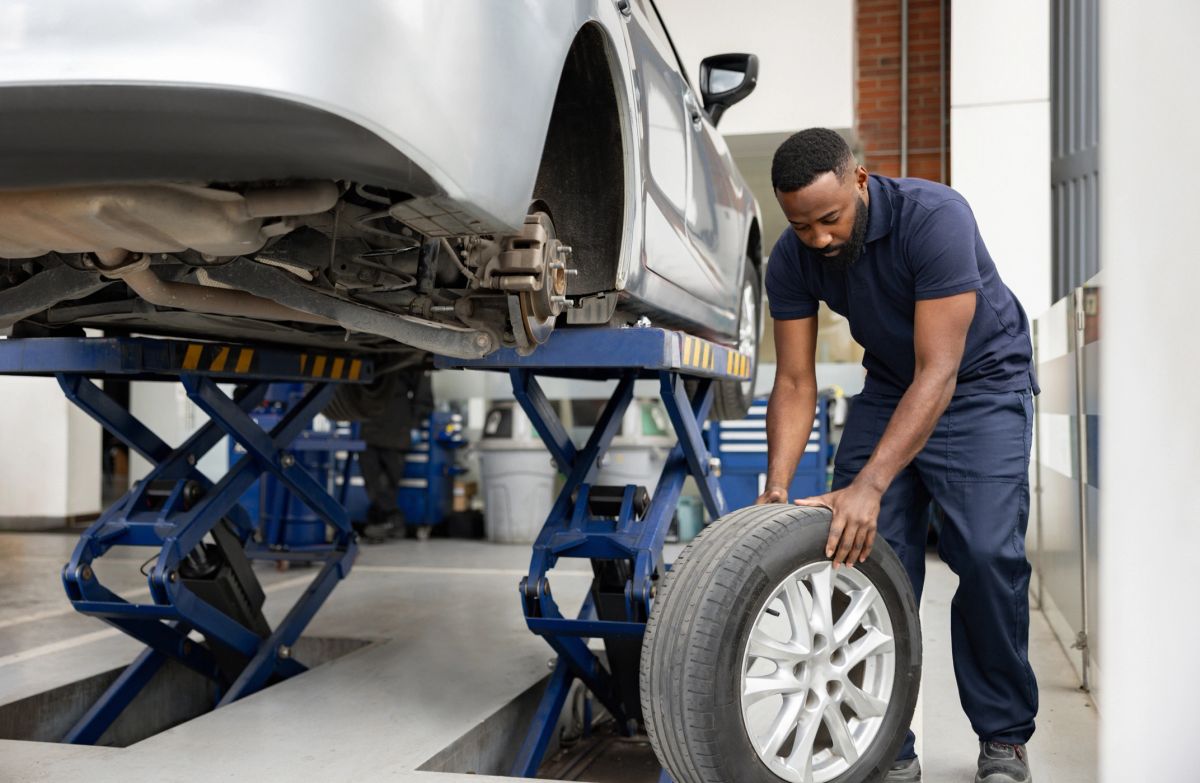
When you're dealing with a flat tire in Dallas, time is of the essence—especially during rush hour or extreme heat. Most standard tire repairs at a professional shop take between 30 to 60 minutes, depending on several key factors. The process typically includes safely removing the tire, thoroughly inspecting the damage, locating punctures, completing the repair using industry-approved methods like plug-and-patch, remounting the tire, balancing the wheel, and final pressure checks. Several variables can influence repair duration. Location and size of the puncture matter—punctures in the tread area are usually repairable, while sidewall damage often requires replacement. Tire condition also plays a role; older or worn tires may not be safe to fix. Additionally, shop workload during peak times, especially in high-traffic areas of Dallas, can affect wait times. Some shops offer same-day service or express options for minor repairs. To reduce downtime, drivers should regularly check tire pressure and tread depth. If you experience a flat, avoid driving on the deflated tire, as this can lead to irreversible damage and longer repair times—or the need for a full replacement. Knowing what to expect helps you plan smarter and stay safe on Texas roads.
Repair or Replace? How to Know When Your Tire Can Be Saved
When facing tire damage in Dallas, knowing whether to repair or replace can save time, money, and ensure safety on hot summer highways. Not all punctures are equal—your decision should hinge on two key factors: tread depth and damage location. Tread depth must be at least 2/32 of an inch to qualify for repair. Below this threshold, even a properly patched tire lacks sufficient grip, especially in North Texas rainstorms. Use a simple tread depth gauge or the penny test: insert a penny into the tread with Lincoln’s head upside down. If you see the top of his head, it’s time for a replacement. Damage location is equally critical: - Sidewall punctures cannot be safely repaired—internal structure is compromised. - Punctures in the shoulder area (the curved part near the sidewall) also require replacement. - Center tread punctures up to ¼ inch in diameter are typically repairable if inspected by a trained technician. Multiple punctures within close proximity (less than 16 inches apart) often rule out repair, as overlapping patches weaken the tire. Age, prior repairs, and internal damage are hidden red flags. When in doubt, especially after hitting deep potholes common in Dallas roads, err on the side of replacement for optimal safety.
How to Choose a Late-Night Tire Shop in Dallas That Delivers Quality Service
When you're stranded with a flat tire late at night, finding a trustworthy tire shop in Dallas that’s open can feel overwhelming. However, knowing what to look for ensures you get safe, reliable service when you need it most. Start by checking for extended hours, especially on weekends, as many Dallas-area tire shops now offer night and weekend availability to accommodate emergency repairs. Pay close attention to service indicators like certified technicians, modern equipment, and clear pricing structures. A quality shop will offer transparent diagnostics, using professional tools like tire tread depth gauges and balancing machines, and explain findings in plain language. Avoid places that push unnecessary repairs—reliable service means honest recommendations based on your tire’s condition and safety standards. Customer reviews often highlight response time, workmanship, and courtesy—key factors during stressful roadside situations. Look for consistent feedback about punctuality and post-service support. Many reputable shops in the Dallas area also provide emergency tire repair, at their shop. Finally, confirm they stock common tire sizes and carry trusted tire brands, reducing wait times for replacements. A dependable late-night tire shop combines accessibility, technical skill, and customer-focused practices to keep you moving safely.
Your Emergency Tire Repair Questions Answered
How much does an emergency tire repair typically cost in Dallas? Most standard tire repairs in the Dallas area range from $15 to $30 per tire, depending on the damage type and location. Punctures in the tread area are usually repairable, while sidewall damage often requires replacement. Some providers may include additional service fees, so it’s wise to confirm pricing before service. Is a repaired tire as safe as a new one? When done correctly by a trained technician, a tire repair using a proper plug-and-patch method can be durable and safe for continued use. However, repairs are not permanent solutions—monitored use is recommended, and the tire should be replaced if signs of wear, air loss, or structural damage appear. Can I drive on a flat tire to get help? Driving on a flat tire, even a short distance, can ruin the tire and potentially damage the wheel or suspension. If you lose air while driving, pull over safely and avoid further driving until the tire is assessed. What temporary fixes can I use? Tire sealant products and portable inflators can provide short-term mobility, especially to reach a professional repair shop. However, these are not long-term solutions and may interfere with proper repair methods later. How fast can I get emergency tire service in Dallas? Many local providers offer extended-hours assistance or emergency tire repair, with average arrival times between 30–60 minutes depending on your location within the metro area. Should I repair or replace a damaged tire? Multiple repairs, large punctures (over ¼ inch), or damage near the sidewall typically mean replacement is the safer choice. Always follow industry guidelines for load, speed, and tread depth when deciding.
Stay Safe on Dallas Roads with Smart Tire Emergency Habits
When a tire emergency strikes, knowing how to respond can mean the difference between a quick fix and a costly delay. Throughout this guide, we've covered the essentials—from identifying common puncture types and using temporary sealants wisely to recognizing when a flat requires professional repair or replacement. Dallas drivers face unique road conditions, from sudden summer heat spikes to debris-filled highways, all of which increase tire stress and failure risks. That’s why timely, expert assessment is critical. Remember: Not all flats are created equal. Sidewall damage, slow leaks, and blowouts each demand different responses, and skipping proper inspection can compromise safety and tire longevity. Always carry a basic roadside kit and know your vehicle’s tire specifications. When in doubt, seek help from qualified technicians who can evaluate tread depth, pressure, and structural integrity on the spot. Taking fast, informed action protects your investment and keeps your family safe. For reliable emergency tire repair in Dallas, turn to trusted local experts who prioritize precision and speed. If you're experiencing tire trouble or want a proactive inspection, contact a reputable shop near you to get back on the road with confidence. Stay prepared, stay safe, and drive with peace of mind.
Related pages
Need tires tonight?
We are open until midnight.
504 S Carroll Ave, Dallas, TX 75223 · Open 7am to midnight, seven days a week · No appointment required